
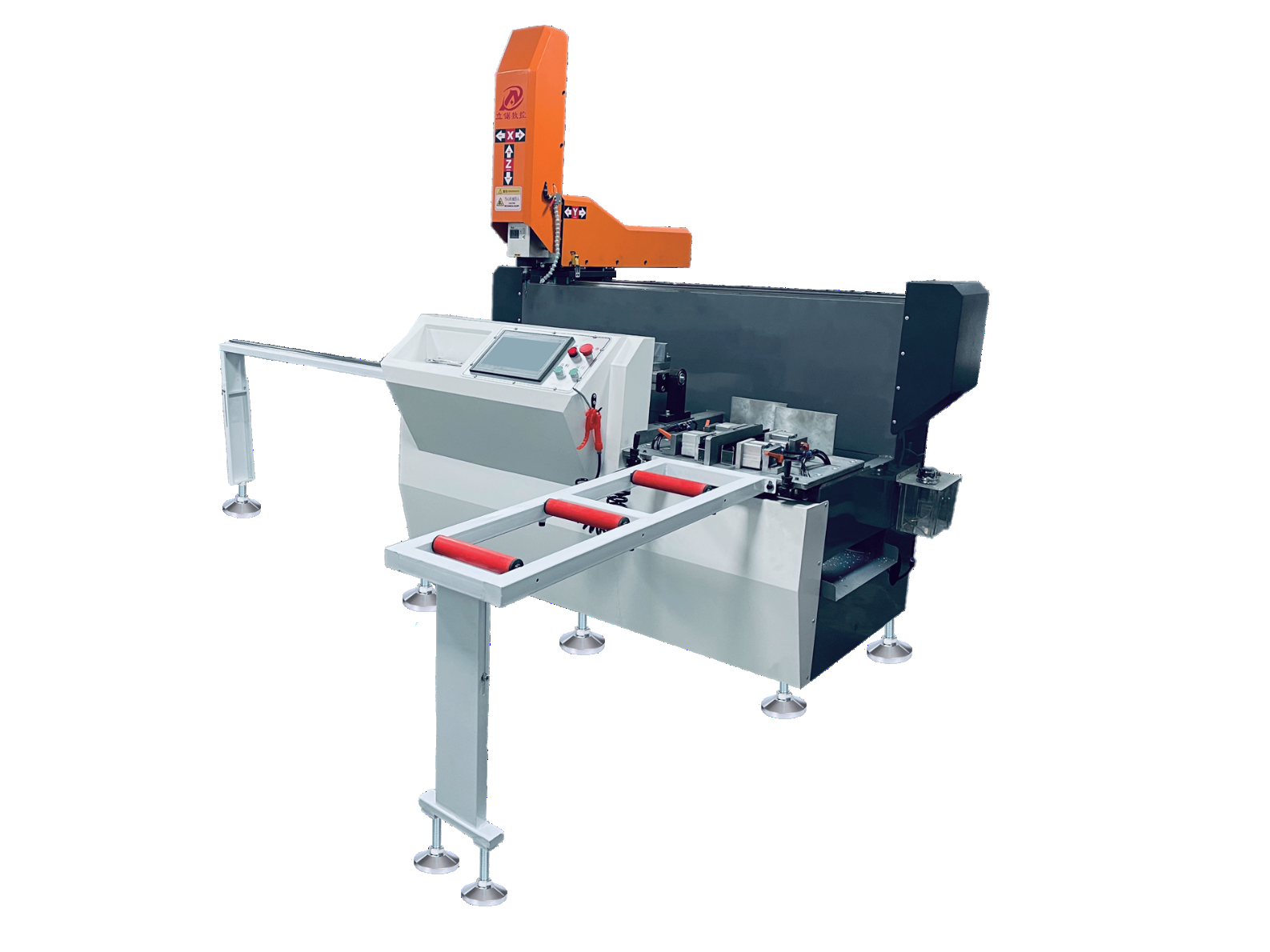
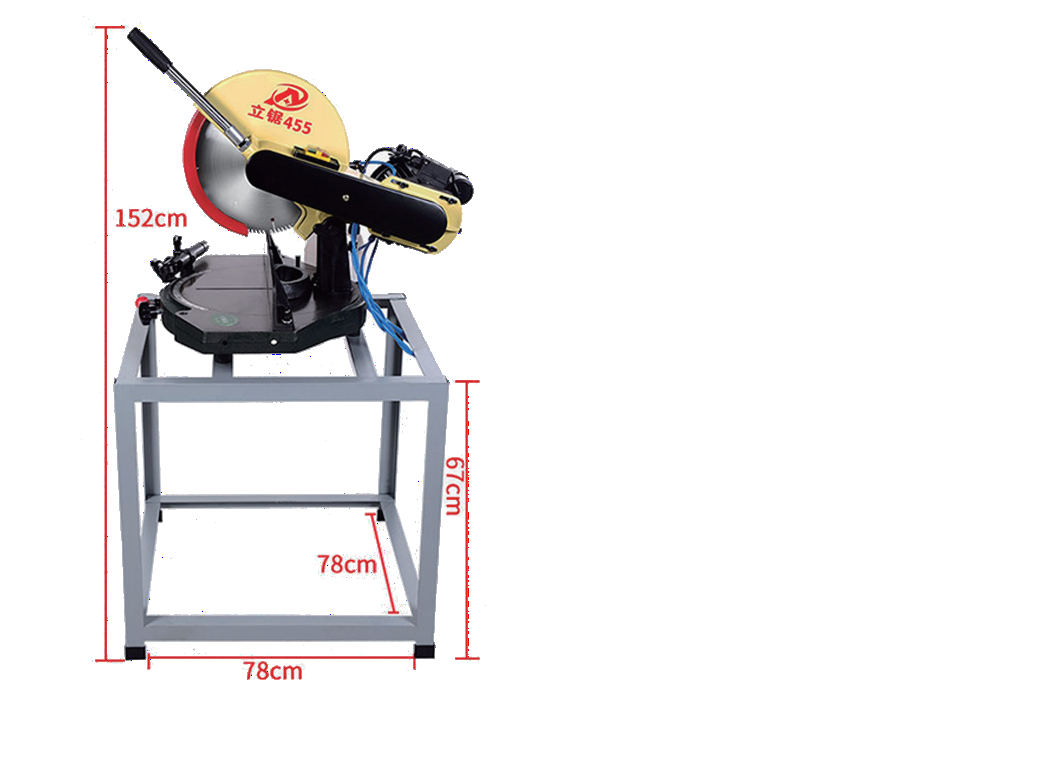
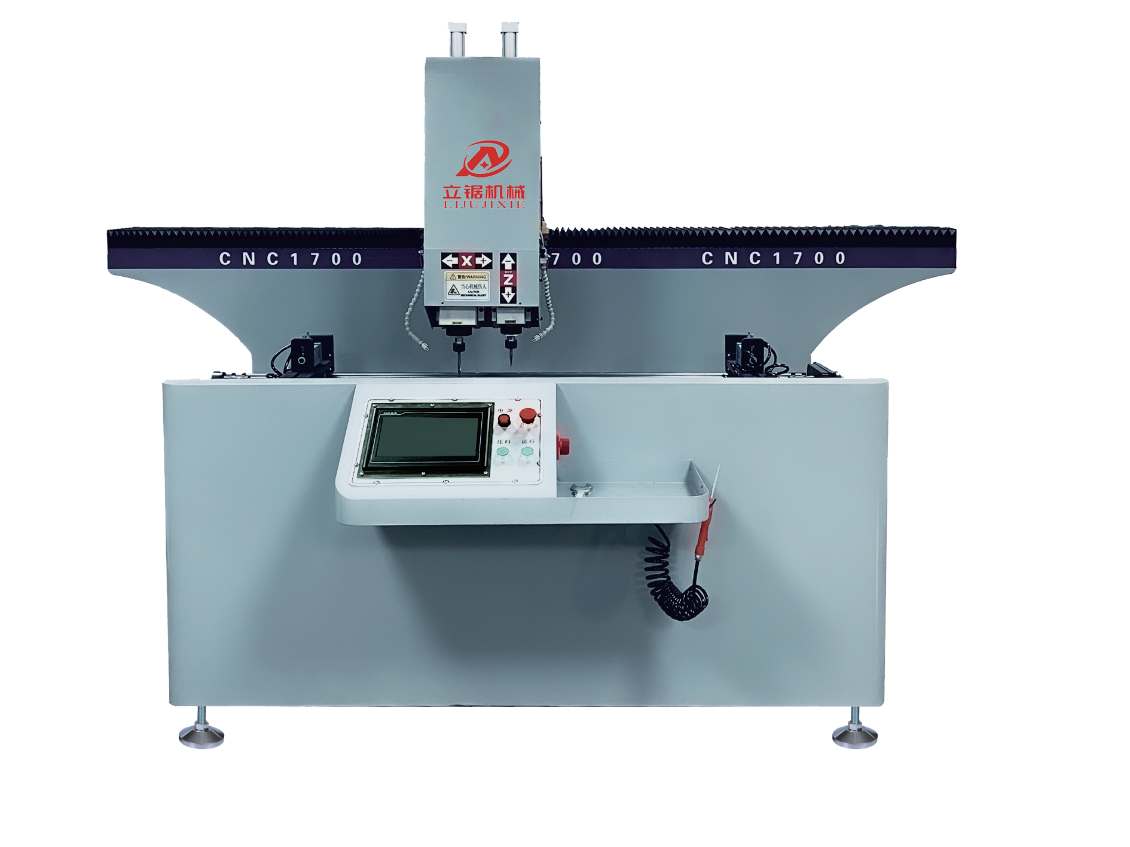
In the highly competitive industrial manufacturing sector, precision and efficiency are the key indicators for measuring a company's competitiveness. From the processing of complex mechanical components to the manufacturing of precise electronic products, every step demands extremely high standards for cutting techniques. The emergence of precision cutting machines, with their efficient and precise characteristics, has injected strong impetus into industrial manufacturing and has become an important force driving the upgrading and development of industrial manufacturing.
With the continuous advancement of industrial manufacturing technology, product designs have become increasingly complex, and the precision requirements for components have also risen sharply. In traditional cutting methods, whether it is manual cutting or ordinary mechanical cutting, they are unable to meet the high precision demands of modern industry. Manual cutting relies on the experience and skills of the operator, which is susceptible to human factors such as hand tremors and uneven cutting force, resulting in unstable cutting accuracy and difficult product quality control. Ordinary mechanical cutting, although it improves efficiency to some extent, still has significant limitations when dealing with complex shapes and high precision requirements for workpieces. These traditional cutting methods not only have low efficiency but also cause a large amount of material waste, increasing production costs.
The reason why precision cutting machines can achieve efficient and precise cutting is due to their advanced technical principles and precise structural design. They usually adopt numerical control technology, using pre-written programs to precisely control the movement trajectory and cutting parameters of the cutting tool. During the cutting process, the numerical control system can monitor the position of the cutting tool and the cutting status in real time, and automatically adjust the cutting parameters based on the feedback information to ensure the stability and accuracy of the cutting process. Precision cutting machines are also equipped with high-precision cutting spindles and advanced transmission systems, which can provide stable cutting power, reduce vibration and oscillation, and ensure the cutting accuracy.
In terms of precision, precision cutting machines can achieve accuracies down to micrometers or even nanometers, which can meet the cutting requirements for various high-precision workpieces. For example, in the manufacturing of electronic chips, the size accuracy and cutting edge quality of the chips are extremely demanding. Precision cutting machines employ advanced technologies such as laser cutting or diamond cutting, enabling precise cutting on tiny chips. The cutting edges are smooth and flat, without burrs or cracks, ensuring the performance and reliability of the chips. In the aerospace field, the processing accuracy requirements for metal components are also strict. Precision cutting machines can precisely cut various high-strength and high-temperature-resistant metal materials, ensuring the size accuracy and surface quality of the components, meeting the requirements of aerospace equipment for high-performance components.
In terms of efficiency, the precision cutting machine has a high degree of automation and can perform continuous and rapid cutting operations. It can achieve automatic loading and unloading of workpieces through an automatic feeding and discharging system, reducing the time for manual operations and improving production efficiency. The cutting speed of the precision cutting machine is fast, enabling it to complete the cutting tasks of a large number of workpieces in a short period of time. In the manufacturing of automotive components, the precision cutting machine can quickly cut various metal sheets and pipes, providing efficient component processing services for automotive production. At the same time, the intelligent control system of the precision cutting machine can automatically optimize cutting parameters according to different component materials and cutting requirements, further improving the cutting efficiency.
In practical applications, precision cutting machines play a crucial role in multiple industrial sectors. In the automotive manufacturing industry, precision cutting machines are used to cut automotive body panels, engine components, etc. Through precise cutting, not only is the dimensional accuracy and surface quality of the components improved, but also subsequent processing procedures are reduced, resulting in lower production costs. In an automotive manufacturing enterprise, after introducing precision cutting machines, the cutting accuracy of body panels increased by 50%, production efficiency increased by 3 times, and material waste was reduced, bringing significant economic benefits to the enterprise.
In the field of mechanical processing, precision cutting machines can perform high-precision cutting on various complex-shaped mechanical components. For instance, in mold manufacturing, precision cutting machines can cut out high-precision mold cavities and cores, ensuring the quality and service life of the molds. In the manufacturing of 3C products, precision cutting machines are used to cut components such as mobile phone casings and tablet screen panels. Due to the increasingly smaller sizes of 3C products and the higher requirements for cutting precision, the high precision and high efficiency advantages of precision cutting machines have been fully demonstrated.
The precision cutting machine, with its efficient and precise characteristics, provides strong technical support for industrial manufacturing. It not only solves the problems of low precision and low efficiency in traditional cutting methods, but also promotes the development of industrial manufacturing towards higher precision, higher efficiency, and intelligence. With the continuous progress of industrial manufacturing technology and the increasing requirements for product quality, it is believed that the precision cutting machine will continue to innovate and upgrade, playing a more important role in the future industrial manufacturing field and creating more value for the development of industrial manufacturing. If you are interested in the technological innovation and development in the industrial manufacturing field, you might as well delve into the precision cutting machine and witness the tremendous transformation it brings to industrial manufacturing together.
Leave a Message
Thank you for your interest in our products. "*" Indicates the Fields are Mandatory